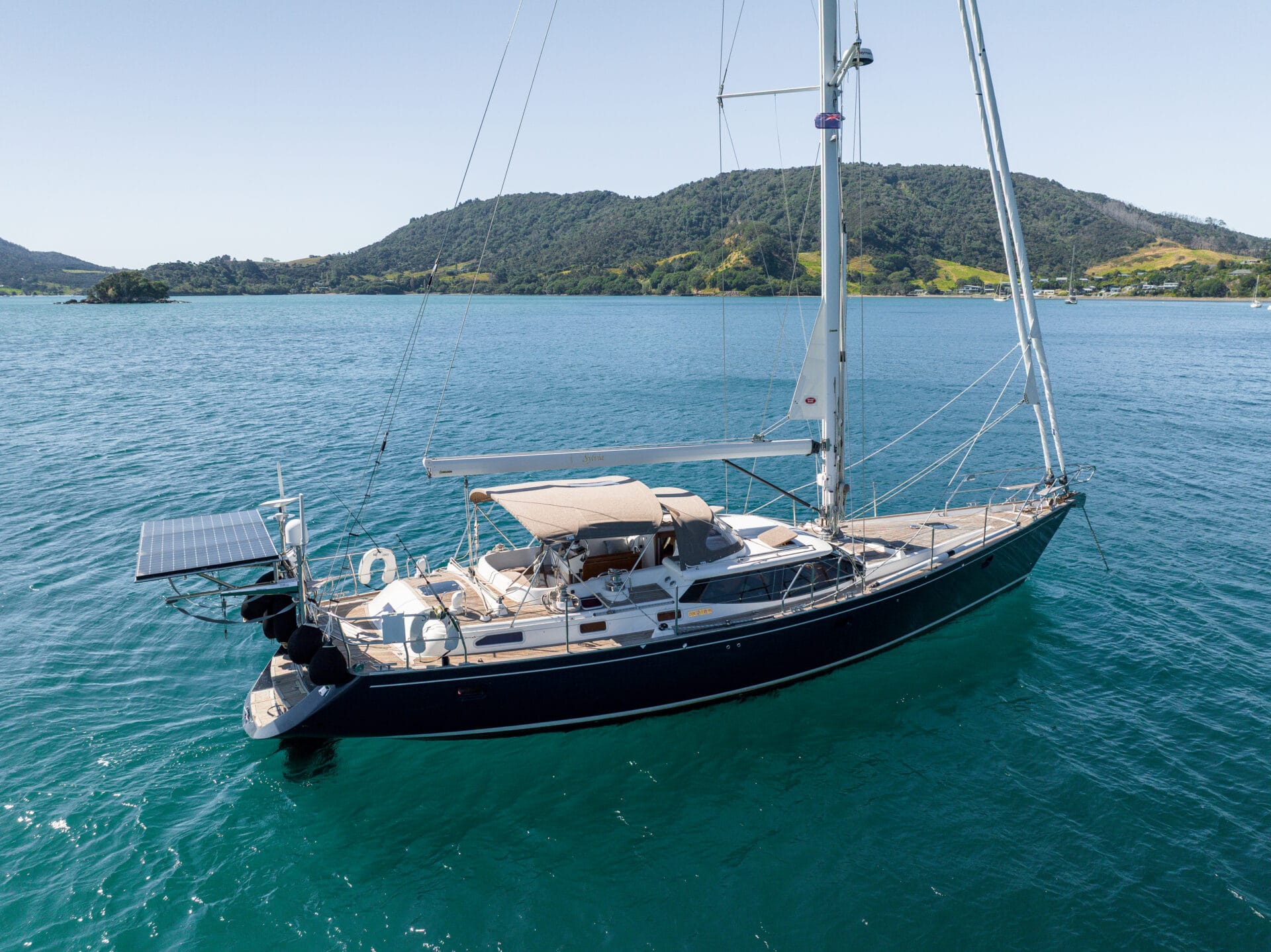
Buying a used sailboat is one of the most exciting decisions you’ll ever make – and one of the most complex. Whether you’re dreaming of weekend sailing on a lake or crossing an ocean, the right boat at the right price is out there. But without the right knowledge, it’s easy to overpay, overlook hidden problems, or end up with a boat that doesn’t fit your needs.
This guide walks you through every step of the process, from setting your budget to signing the paperwork.
Step 1: Define Your Sailing Goals
Before you look at a single listing, ask yourself one question: What do I actually want to do with this boat?
Your answer determines everything – the size, type, and budget of your ideal sailboat.
- Weekend sailing on lakes or coastal waters → A 25–35 ft monohull is ideal. Easy to handle solo or with a partner, affordable to maintain.
- Extended coastal cruising → Look for a 35–45 ft boat with a comfortable interior, solid rigging and a reliable engine.
- Bluewater offshore sailing → You need a heavily built, well-equipped boat of 38 ft or more, with a proven offshore track record.
- Racing → A completely different category. Performance over comfort.
Being honest about your goals saves you from the most common mistake in boat buying: buying too much boat.
Step 2: Set a Realistic Budget
The purchase price is just the beginning. A good rule of thumb used by experienced sailors:
The annual cost of owning a boat is roughly 10–15% of its purchase price.
So a €30,000 sailboat will cost you €3,000–4,500 per year in maintenance, insurance, marina fees and equipment – at minimum.
Budget breakdown for a typical used sailboat:
| Cost | Typical Range |
|---|---|
| Purchase price | €15,000 – €150,000 |
| Pre-purchase survey | €500 – €1,500 |
| Sea trial | Often included in survey |
| Transport / delivery | €500 – €5,000 |
| Immediate repairs | €1,000 – €10,000 |
| Annual marina fees | €2,000 – €8,000 |
| Annual insurance | €500 – €2,000 |
| Annual maintenance | €1,500 – €5,000 |
Set a maximum purchase price and stick to it. It’s easy to get emotionally attached to a boat that’s slightly over budget – and regret it later.
Step 3: Understand the Different Types of Sailboats
Monohull vs. Catamaran
Monohull sailboats are the classic choice. They’re more affordable to buy and maintain, easier to handle in marinas, and sail better upwind. Most used sailboats on the market are monohulls.
Catamarans offer more living space, stability, and shallower draft – ideal for anchoring in bays. But they’re significantly more expensive to buy, maintain, and berth.
For most first-time buyers, a used monohull is the smarter starting point.
Hull Materials
- Fiberglass (GRP) – The most common material. Durable, low maintenance, easy to repair. The right choice for most buyers.
- Aluminum – Very strong and long-lasting. Popular for offshore cruisers. More expensive to repair.
- Steel – Extremely robust. Popular for DIY builders. Prone to rust if not maintained.
- Wood – Beautiful but high maintenance. Best left to enthusiasts.
For a first boat, fiberglass is strongly recommended.
Step 4: Search for the Right Boat
Now you’re ready to browse listings. Here’s what to look for:
Good Signs in a Listing
- Detailed description with maintenance history
- Many high-quality photos (interior and exterior)
- Engine hours mentioned
- Logbook or service records available
- Reason for selling explained
Red Flags in a Listing
- Very few or poor quality photos
- Vague descriptions (“needs some work”)
- Price significantly below market value
- No mention of last haul-out or antifouling
- Seller unwilling to allow a survey
Pro Tip: Search for boats by specific model name rather than generic terms. “Beneteau Oceanis 37 for sale” will give you far more relevant results than just “sailboat for sale.”
Step 5: Contact the Seller
Once you find a boat that interests you, contact the seller with specific questions before visiting:
- When was the last haul-out and antifouling?
- When was the engine last serviced? How many hours does it have?
- Are there any known osmosis issues?
- Is the standing rigging original? When was it last replaced?
- Are all sails included? What condition are they in?
- Why are you selling?
A seller who answers these questions honestly and in detail is a good sign. Vague or evasive answers are a warning.
Step 6: Visit the Boat in Person
Never buy a boat you haven’t seen in person – no matter how good the photos look.
What to bring:
- A torch / flashlight (to inspect bilge, lockers, dark corners)
- A moisture meter if possible (or hire a surveyor who has one)
- A notepad to record everything you notice
- A trusted sailing friend who can give an objective opinion
What to check:
Hull and Deck
- Look for cracks, crazing, or delamination in the gelcoat
- Press firmly on the deck – soft spots indicate water ingress (delamination)
- Check around chainplates, mast base and stanchion bases for cracks
Below Deck
- Smell for mildew or damp – a strong smell indicates chronic water ingress
- Check the bilge for water, oil, or rust
- Look at all through-hull fittings – are the seacocks operating freely?
- Test all electrical systems: navigation lights, instruments, VHF
Engine
- Start the engine and let it warm up
- Check for smoke (black = rich mixture, blue = burning oil, white = water)
- Check the raw water cooling – water should flow from the exhaust
- Look for oil leaks around the engine mounts and gearbox
Rig
- Look up the mast for obvious damage or corrosion
- Check the standing rigging for broken strands, especially at the swage fittings
- Check the furling systems for smooth operation
Step 7: Commission a Professional Survey
A pre-purchase survey by a qualified marine surveyor is non-negotiable for any boat over €10,000.
A good surveyor will:
- Measure moisture levels in the hull and deck
- Inspect all structural elements
- Check all through-hulls and seacocks
- Test electrical systems
- Identify osmosis or delamination
- Provide a written report with a valuation
Cost: €500–€1,500 depending on boat size. Money extremely well spent.
The survey report gives you negotiating power – every defect found is a reason to reduce the asking price.
Step 8: The Sea Trial
Always insist on a sea trial before making an offer. This is the only way to assess:
- How the boat handles under sail
- Whether the engine performs correctly under load
- That the autopilot, instruments and electronics work
- Any unusual noises, vibrations or handling issues
A seller who refuses a sea trial is a major red flag.
Step 9: Negotiate the Price
Use the survey report as your primary negotiating tool. Every item that needs attention is a legitimate reason to reduce the price.
Negotiating tips:
- Never show emotional attachment during negotiation
- Start below your maximum budget
- Be prepared to walk away
- Consider the cost of identified repairs, not just the purchase price
In a buyer’s market, 10–15% below asking price is often achievable, especially if the survey reveals work to be done.
Step 10: Complete the Purchase
Once price is agreed:
- Bill of Sale – A signed document transferring ownership. Essential.
- Title / Registration – Verify the seller is the legal owner and the boat is free of liens.
- VAT status – In Europe, confirm whether VAT has been paid. Buying a boat without proof of VAT payment can cause serious problems.
- Insurance – Arrange coverage before the boat leaves the seller’s marina.
Common Mistakes to Avoid
- ❌ Buying without a survey to save money
- ❌ Falling in love with a boat before the survey
- ❌ Ignoring signs of osmosis (“it’s not that bad”)
- ❌ Underestimating running costs
- ❌ Buying too much boat for your experience level
- ❌ Not doing a sea trial
Free templates for your purchase: inspection checklist for the viewing, boat purchase agreement with survey clause, survey guide and handover protocol.
Final Thoughts
Buying a used sailboat takes patience, research and a clear head. The right boat is out there – and with the right preparation, you’ll find one that gives you years of sailing pleasure rather than years of expensive problems.
Ready to start your search? Browse current listings on boatmarket24.com – new boats added regularly, no commission, no hidden fees.
Published by boatmarket24 | The independent European boat marketplace